
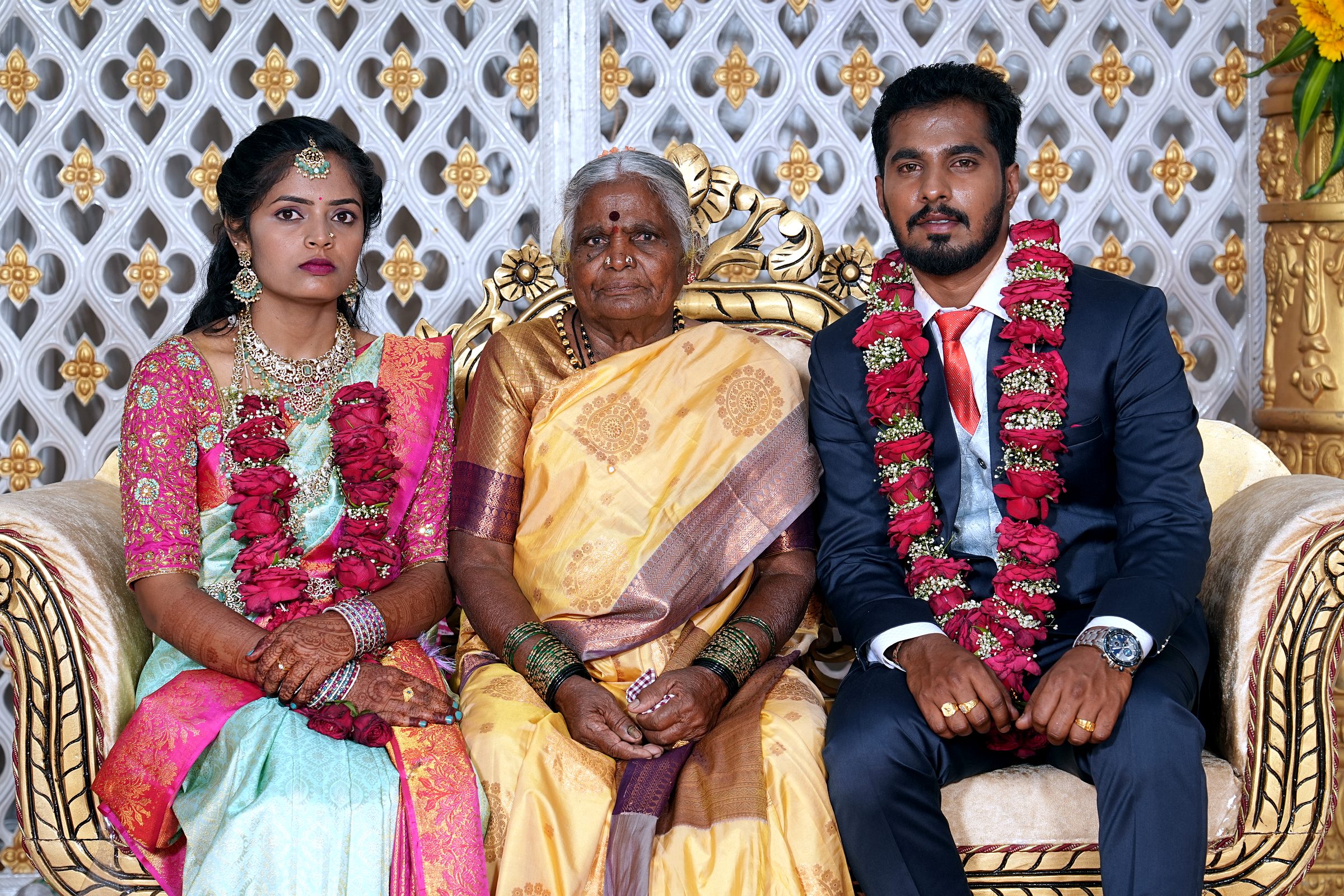
An Indian wedding isn’t one event — it’s a series of them, each with its own moments that pass in seconds and never return. A clear timeline and shot list is the single best tool for making sure nothing important is missed. This is a complete, ritual-aware checklist you can adapt to your traditions and share directly with your photographer. Use it as a starting point, then add the moments unique to your family.
How to use this shot list
You don’t need to hand your photographer a 200-line spreadsheet — an experienced team already knows the standard beats. What genuinely helps is flagging:
- The family groups you must have
- Specific relatives (an elderly grandparent, someone travelling far)
- Rituals unique to your community the team might not anticipate
- Rough timings for each event
Everything below is organised by event so you can keep or cut sections to match your wedding.
Pre-wedding events
Engagement / roka / ring ceremony
- The ring exchange, close-up and wide
- Reactions of both families
- Couple portraits
- The rings and details
Haldi
- Application of haldi, candid and close
- Colour, laughter and the mess (this is where the fun is)
- Family members participating
- Portraits of the bride/groom mid-haldi
Mehndi
- Detail of the henna as it’s applied and finished
- The bride’s expressions
- Music, dance and family candids
- Group shots with friends
Sangeet
- Stage and décor before guests arrive
- Performances, wide and close
- The couple watching and reacting
- Dance floor energy and family joy
Getting ready
- Attire, jewellery, shoes and accessories laid out (detail shots)
- Invitation card
- Bride and groom getting ready, candid
- Final-touch moments with parents and siblings
- The first look in the mirror
The wedding ceremony
This is where a ritual-aware team matters most, because the key moments differ by community. Common must-haves:
- The arrival (baraat, or the bride’s entrance)
- The first look between the couple
- Each major ritual in sequence — for South Indian weddings this may include Kashi Yatra, the exchange of garlands (Jaimala/Mala Badalu), Kanyadaanam, Mangalya Dharane/Mangalsutra, Saptapadi and the sacred fire; for North Indian weddings the pheras, sindoor and mangalsutra
- The priest and the homam/fire
- Parents and elders during the rituals and blessings
- Emotional moments — tears, laughter, quiet glances
- The vidaai / bidaai (farewell) — often the most emotional set of the day
For a full ritual breakdown, see our Kannada wedding rituals guide and the community pages linked from our wedding photography page.
Portraits
- Couple portraits (posed and candid)
- Bride solo portraits — see our bridal portrait tips
- Groom solo portraits
- Couple with each set of parents
- Couple with siblings
- Multi-generation family group
- Extended family and friends groups
Tip: Prepare a named list of family groups and ask a relative to help gather people. Budget 30–45 minutes so portraits don’t eat into your celebration.
Reception
- Décor and stage before guests arrive
- Couple’s grand entrance
- Speeches and toasts
- Cake / ceremonial moments
- First dance, if any
- Guests greeting the couple on stage
- Candid family and friends
- The couple’s exit
Detail & décor shots (easy to forget)
- Venue and mandap décor
- Flowers, lighting and table settings
- Food and catering displays
- Signage and personalised touches
Don’t forget the timeline itself
A shot list only works if the timeline allows for it. Share your event schedule with rough timings so your photographer can plan crew, lighting and positions — especially for a fixed muhurtham or an early-morning ceremony. If you’re wondering how many images all of this produces, see how many photos to expect.
Make it yours
Copy the sections that apply, delete the ones that don’t, add your family’s specific rituals and must-have people, and share it with your team a couple of weeks before the wedding.
At Lumeora Studios we build a shot plan with every couple — covering your specific rituals, family groups and the moments that matter to you. Tell us about your wedding and we’ll prepare a timeline together.